Craving more space without losing East Bay convenience? If you picture tree-lined streets, larger lots, and weekend hikes minutes from home, Alamo might be on your shortlist. You want a clear sense of lifestyle, housing costs, schools, and everyday rhythms before you decide. This guide walks you through what living in Alamo feels like and what to weigh as a buyer or seller. Let’s dive in.
Alamo at a glance
Alamo is an unincorporated community in Contra Costa County with about 15,300 residents, according to the 2020 Census. The area has a quiet, low-density feel with a strong emphasis on privacy and open space. As an unincorporated place, some local decisions and services are managed at the county or special-district level, and the community is represented by a Municipal Advisory Council. You can learn more about Alamo’s civic status and history through the Alamo overview on Wikipedia and the county’s Municipal Advisory Council resources.
- Population: about 15,314 in 2020 (source)
- Local advisory body: the community’s Municipal Advisory Council supports county-level engagement (source)
Housing and neighborhoods
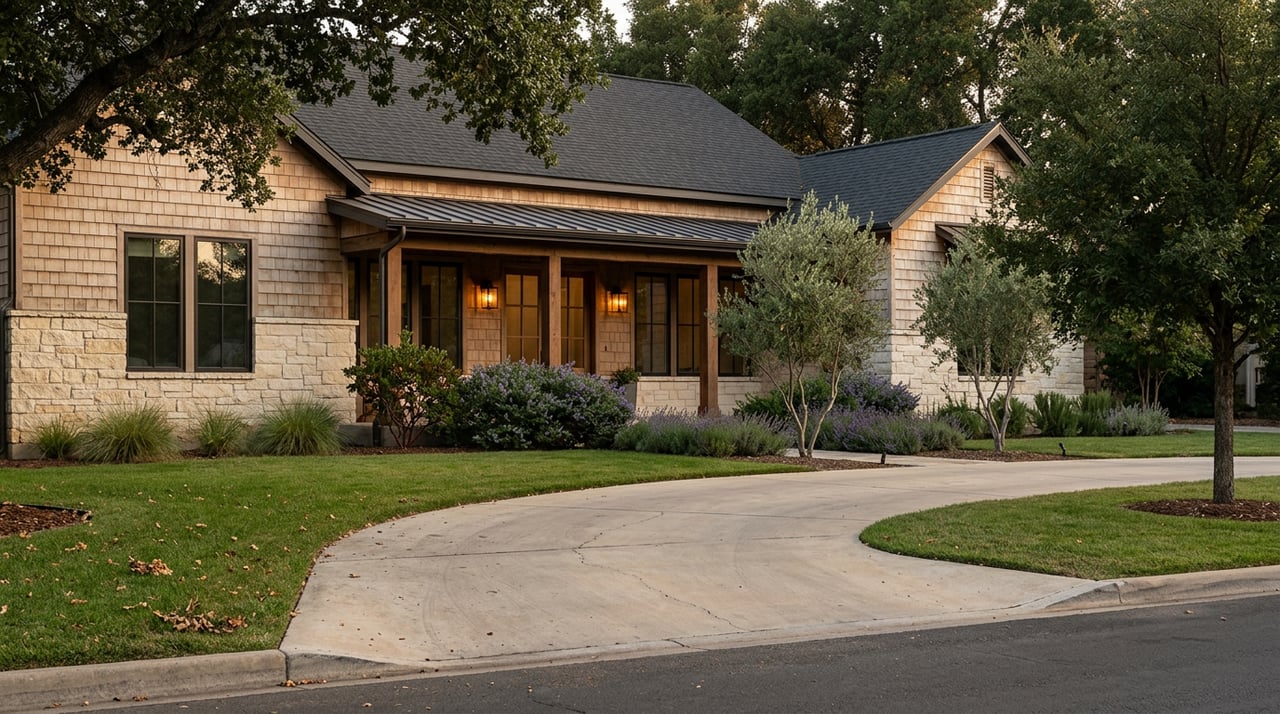
What you notice first are larger lots, cul-de-sacs, and a suburban-to-country vibe. Most homes are single-family detached, and owner-occupancy is very high. That physical pattern supports a quieter residential experience and a sense of permanence.
Alamo’s neighborhoods include well-known pockets such as Round Hill Country Club, Stonegate, Westside/Alamo Oaks, Livorna Park area, White Gate, and Bryan Ranch. Styles range from single-level ranch homes to renovated two-story residences and multi-acre estates. Price is closely tied to lot size, condition, views, and proximity to amenities.
What homes cost
Alamo is an upper-tier market by East Bay standards. Recent medians sit in the low-to-mid 2 million dollar range as of early 2026. Inventory tends to be limited, and buyers who want move-in-ready homes with outdoor space often face competition.
Typical patterns you will see:
- Entry to mid-tier: smaller or older ranch-style homes and some turn-key single-levels on standard lots.
- Mid-to-high tier: 3 to 5 plus bedroom homes on larger lots, often updated and landscaped for indoor-outdoor living.
- Estates: country-club adjacent properties and multi-acre compounds that command premium pricing.
Everyday life and errands
Alamo has a small-town rhythm with local shopping nodes for daily needs. For a broader scene, you will likely head a few minutes to downtown Danville for restaurants, boutiques, and the farmers market, or to Walnut Creek’s larger retail and arts venues. Parks and fields are sprinkled through the community, and the vibe stays residential and calm compared with busier downtowns. County parks and recreation resources highlight the broader amenities across Contra Costa County (source).
Schools and education
Most of Alamo is served by the San Ramon Valley Unified School District (SRVUSD). Local elementary schools include Alamo Elementary and Rancho Romero, with Stone Valley as the nearby middle school. High school assignments vary by address, with many Alamo students attending Monte Vista High or San Ramon Valley High. Always confirm your specific address using the SRVUSD boundary lookup tool (district boundary lookup).
Regional coverage often cites SRVUSD high schools such as Monte Vista, San Ramon Valley, and Dougherty Valley among top performers, which is a common driver for buyers who prioritize public schools (regional rankings coverage). Use district resources and school tours to evaluate fit for your needs.
Outdoors and recreation
If you live in Alamo, you get easy access to some of the East Bay’s best open spaces. Mount Diablo State Park defines the local landscape, with the Macedo Ranch staging area offering nearby trailheads and ridge walks (park access details). The Iron Horse Regional Trail passes through the valley and is popular for biking, jogging, and family rides (trail overview).
Organized recreation is part of the lifestyle too. Round Hill Country Club features golf, pools, tennis and pickleball, and a steady calendar of junior and social programs that many residents enjoy (club information). Private-club access is a notable factor for some buyers comparing Alamo to neighboring towns.
Getting around and commutes
Alamo does not have a BART station. Most residents drive to Walnut Creek or Dublin/Pleasanton for BART, or commute by car via I-680 and local arterials. County bus service and the Iron Horse Trail support some local trips, but daily life is largely car-oriented. Commute times vary widely by route and time of day, so use specific address routing to get an accurate picture before you buy.
Safety and wildfire readiness
Compiled crime metrics often show Alamo with lower crime indicators than many U.S. communities, which adds to the area’s calm residential feel (safety overview). As with many Bay Area foothill communities, wildfire awareness is part of homeownership. State Fire Hazard Severity Zone maps, defensible-space practices, and home-hardening can influence insurance and maintenance plans. Check address-specific guidance and resources before you purchase (wildfire resources).
Who thrives in Alamo
You will likely enjoy Alamo if you value privacy, larger yards, and a quiet setting close to open space. Residents who choose Alamo often combine remote or hybrid work with periodic trips to regional job centers. The area’s housing mix and school access attract many households who prefer staying in place for longer periods. If you prioritize daily walkability to a dense downtown or direct transit access, a nearby city center may be a better fit.
Is Alamo worth it
For buyers who want space, schools, and outdoor access, the premium can feel justified. You trade a busier urban core for a slower pace and larger properties. If your top criteria are lower purchase price or very short transit commutes, you may find better alignment in other East Bay locations.
Buyer and seller tips
- Get specific on location. Lot size, terrain, and school assignment can vary from one pocket to the next.
- Do early due diligence. Review wildfire considerations, vegetation management, and any home-hardening work recommended for the parcel.
- Plan for maintenance. Larger lots often mean more landscaping and exterior upkeep.
- Watch inventory cycles. Updated homes with great yards move fast. Have pre-approval and inspection strategies ready.
- For sellers: thoughtful prep can be a difference-maker. High-impact updates, yard refreshes, and strong photography help showcase space and setting.
Ready to compare neighborhoods or prep your home for market? Reach out to Tanya Jones for hands-on guidance, neighborhood insight, and a clear plan that fits your goals.
FAQs
What is the overall vibe of living in Alamo, CA
- Expect quiet, low-density residential streets, larger lots, and quick access to trails and open space, with most dining and shopping a short drive away in Danville or Walnut Creek.
How are public schools assigned in Alamo
- Most addresses are within SRVUSD, with Alamo Elementary, Rancho Romero, and Stone Valley Middle nearby, and high school assignments varying by address; use the district’s boundary lookup to confirm your specific schools.
What are typical home prices in Alamo right now
- As of early 2026, recent medians cluster in the low-to-mid 2 million dollar range, with pricing influenced by lot size, home condition, views, and proximity to amenities.
Does Alamo have convenient public transit access
- There is no in-town BART station; most residents drive to Walnut Creek or Dublin/Pleasanton BART or commute by car via I-680, so commute times depend on your exact route and schedule.
How safe is Alamo compared to other places
- Compiled crime analyses often rank Alamo as safer than many U.S. communities, but it is smart to review address-level data and visit at different times to get a personal sense of neighborhood activity.
What should I know about wildfire risk in Alamo
- Many foothill areas across Contra Costa County have mapped fire hazards; check Cal FIRE resources for your address and plan for defensible space and home-hardening steps that can affect insurance and upkeep.