Thinking about living near Downtown Pleasanton? If you want a home base that feels connected, walkable, and full of everyday activity without giving up the comfort of established residential streets, this area stands out. Living close to downtown can offer a mix of historic character, local dining, parks, and regional access that appeals to buyers, sellers, and Bay Area relocators alike. Let’s dive in.
What makes Downtown Pleasanton appealing
Downtown Pleasanton is the city’s historic center and one of its main lifestyle hubs. City materials describe it as a vibrant historic district, while the Downtown Pleasanton Association notes that the area is home to more than 550 businesses. The overall feel is more small-town Main Street than dense urban core.
That matters if you want convenience without the intensity of a major city downtown. Official planning documents also show a focus on preserving small-town scale, supporting nearby residential character, and encouraging plazas, trails, bike routes, parks, and open space. In real life, that translates to a pedestrian-friendly environment where many daily outings feel easy and close to home.
Everyday life near Main Street
Living near downtown often means your routine can include more than just commuting in and out of the neighborhood. Pleasanton’s city materials frame the area as a place where shopping, dining, parks, and events can often be reached by a short drive, walk, or bike ride. For many buyers, that kind of convenience shapes day-to-day quality of life.
Main Street and the nearby blocks are lined with restaurants, cafés, and gathering spots. The dining mix includes casual patios, brunch destinations, Mediterranean cuisine, cafés, Indian cuisine, and places known for happy hour. Instead of needing a special occasion to head downtown, the area supports regular habits like meeting friends for brunch, grabbing coffee, or enjoying an evening meal close to home.
Dining and patio culture
Historic Downtown Pleasanton has built a strong reputation as a dining destination. The Downtown Pleasanton Association’s brunch and happy hour guides highlight how active the restaurant scene is throughout the week, not just on weekends. Many businesses also offer outdoor patio seating, which adds to the relaxed, neighborhood feel.
If you enjoy variety, that is a real strength here. Current examples in the downtown area include Beer Baron, Sabio on Main, Oyo, Sidetrack Bar + Grill, Lokanta Mediterranean Grill & Bar, Ruby & Roses, Pairings, Zachary’s, Cellar Door, and Neighborhood Sports Bar, along with café and specialty concepts like Le Palais Sucré and Frontier Spice.
The farmers’ market rhythm
One of the clearest signs of how downtown functions as an everyday gathering place is the Pleasanton Farmers’ Market. According to PCFMA, the market takes place on Saturdays from 9:00 a.m. to 1:00 p.m. City and downtown materials describe it as year-round and rain or shine in the downtown area around Main Street and Angela Street.
For nearby residents, that creates a predictable weekly rhythm. You are not just living near restaurants and shops. You are living near a recurring community event that can become part of your Saturday routine.
Events bring energy year-round
Downtown Pleasanton is not only active during business hours. The area hosts an ongoing calendar of community events that help keep the district lively across seasons. That can be a major plus if you want a neighborhood with built-in activity and a strong local identity.
The Downtown Pleasanton Association lists events such as Wine Stroll, Concert in the Park, Pleasanton Palooza, and themed Weekends on Main activations like Hot Rod Row, Country Fest, Bubbles & Boots, and Porsches on Main. Seasonal holiday programming also adds to the downtown atmosphere throughout the year.
Lions Wayside Park adds a community hub
Lions Wayside Park plays an important role in downtown life. City information notes that the park reopened in 2025 with upgraded amenities including a bandstand, dance floor, seating, lighting, grass, and ADA improvements. The park continues to host gatherings such as the 4th of July celebration and Concert in the Park.
If you are comparing neighborhoods, this kind of amenity matters. It gives nearby residents a central outdoor space that supports both casual use and larger community events.
Parks and trails support outdoor living
Pleasanton offers a strong park and trail system by suburban standards. The city says it has 46 community and neighborhood parks, more than 60 miles of trails, and over 700 acres of undeveloped open space. The city also notes that neighborhood parks are often within a half-mile of residential neighborhoods.
For people considering homes near downtown, this adds another layer of appeal. You can enjoy the historic and social energy of Main Street while still having access to green space, walking routes, and a broader outdoor network across the city.
Green spaces closest to downtown
For immediate downtown living, Lions Wayside and Delucchi parks are especially relevant. City-approved upgrades in 2023 included work on the Lions Wayside bandstand and improvements around Delucchi’s path to Neal Street. These projects support the idea that downtown Pleasanton is designed not just as a commercial district, but as a place where public space and residential life connect.
That balance can be attractive if you want a neighborhood that feels active but not overbuilt. The mix of parks, older streets, and local businesses helps downtown-adjacent living feel established and usable.
What nearby homes feel like
One of the most distinctive parts of living near Downtown Pleasanton is the housing character on nearby streets. City historic materials identify early residential development around Neal Street, St. Mary Street, Second Street, Spring Street, St. John Street, and Pleasanton Avenue. There is also a noted pocket of early vernacular housing south of Rose Street and west of Main Street.
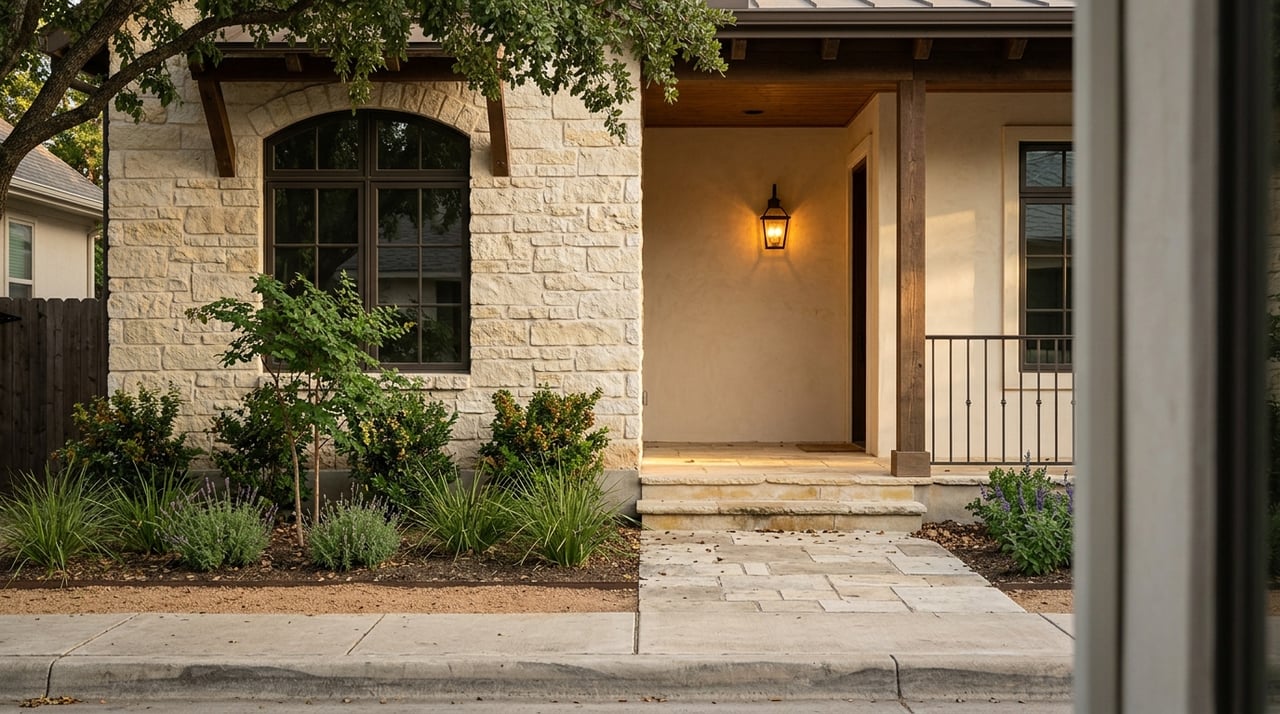
This area does not read like a master-planned subdivision. Instead, official documents describe a mix of early 20th-century home styles, especially Craftsman, along with Bay Tradition, Prairie, Mission Revival, Spanish Colonial Revival, and Minimal Traditional examples. For buyers who value older architecture and lower-rise, character-rich surroundings, that is a meaningful differentiator.
Tree-lined streets and preserved scale
Downtown planning materials emphasize Pleasanton’s oldest buildings, established residential neighborhoods, and tree-lined streets. The downtown specific plan also focuses on preserving the character and scale of existing neighborhoods. That planning direction helps explain why the streets near downtown often feel intimate and historic, even while remaining centrally located.
For sellers, this character can also shape buyer interest. Homes near downtown may attract people who are specifically looking for location, charm, and an established neighborhood setting rather than newer, more uniform housing patterns.
Why relocators often look here
For Bay Area buyers moving within the region, Pleasanton offers a practical combination of lifestyle and access. The city places Pleasanton at the crossroads of I-580 and I-680 and notes that it has two BART stations and an ACE rail station near downtown. The city also states that Pleasanton is less than 45 minutes from San Francisco, Silicon Valley, San Jose, and the Central Valley.
That combination can be especially appealing if you are relocating between the East Bay and South Bay or trying to stay connected to multiple job centers. You can get a village-like setting near downtown while still keeping regional commuting options in play.
Who might enjoy living near downtown
Downtown-adjacent Pleasanton can appeal to several kinds of buyers. If you want a home where you can enjoy local dining, weekend events, parks, and established streetscapes, this area offers a strong mix. It can also be a smart place to start if you value character homes and central access.
You may want to focus your search here if you are looking for:
- A historic district with an active Main Street feel
- Nearby restaurants, cafés, and patios
- A weekly farmers’ market and regular community events
- Access to parks, trails, and open space
- Older homes with architectural variety
- Regional access via major highways, BART, and ACE
What to keep in mind as you search
Not every home near downtown will offer the same experience. Some buyers may prioritize being within easier reach of Main Street activity, while others may prefer a quieter residential block just outside the busiest areas. That is where neighborhood-level guidance really matters.
If you are buying, it helps to think beyond the house itself. Consider how often you want to walk to dining, how important nearby park access is, and whether commute flexibility matters to your long-term plans. If you are selling, understanding how buyers perceive your specific location near downtown can help shape pricing, marketing, and presentation.
Living near Downtown Pleasanton offers more than a convenient address. It can mean access to a historic district, an active event calendar, local dining, weekly market culture, and residential streets with real character. If you want help understanding which pockets best match your lifestyle or how to position a downtown-adjacent home for today’s buyers, Tanya Jones can help you start the conversation.
FAQs
What is Downtown Pleasanton like for everyday living?
- Downtown Pleasanton is a historic, pedestrian-friendly district with more than 550 businesses, local dining, regular events, and access to parks, making it feel active and connected without feeling like a dense urban center.
Are there parks near Downtown Pleasanton homes?
- Yes. Downtown living is supported by nearby green spaces like Lions Wayside Park and Delucchi Park, and Pleasanton also offers 46 parks, more than 60 miles of trails, and over 700 acres of open space citywide.
What kinds of homes are near Downtown Pleasanton?
- Nearby streets include older, low-rise homes with architectural variety, including Craftsman, Bay Tradition, Prairie, Mission Revival, Spanish Colonial Revival, and Minimal Traditional styles identified in city historic materials.
Is Downtown Pleasanton convenient for Bay Area commuting?
- Yes. Pleasanton sits at the intersection of I-580 and I-680, with two BART stations and an ACE rail station near downtown, and the city says it is less than 45 minutes from San Francisco, Silicon Valley, San Jose, and the Central Valley.
What events happen in Downtown Pleasanton?
- The downtown calendar includes events such as Wine Stroll, Concert in the Park, Pleasanton Palooza, seasonal holiday programming, and themed Weekends on Main activities throughout the year.